 Applecu Everything Bank, Health, Tech, Business, Lifestyle
10 Eye Health Signs Your Eyes Might Reveal About Your Body
Eye Health Signs can sometimes reveal more about your overall well-being than you might expect. While many people think of their eyes primarily as organs responsible for vision, certain changes in the eyes and surrounding tissues can provide healthcare professionals with valuable clues about a person’s health.
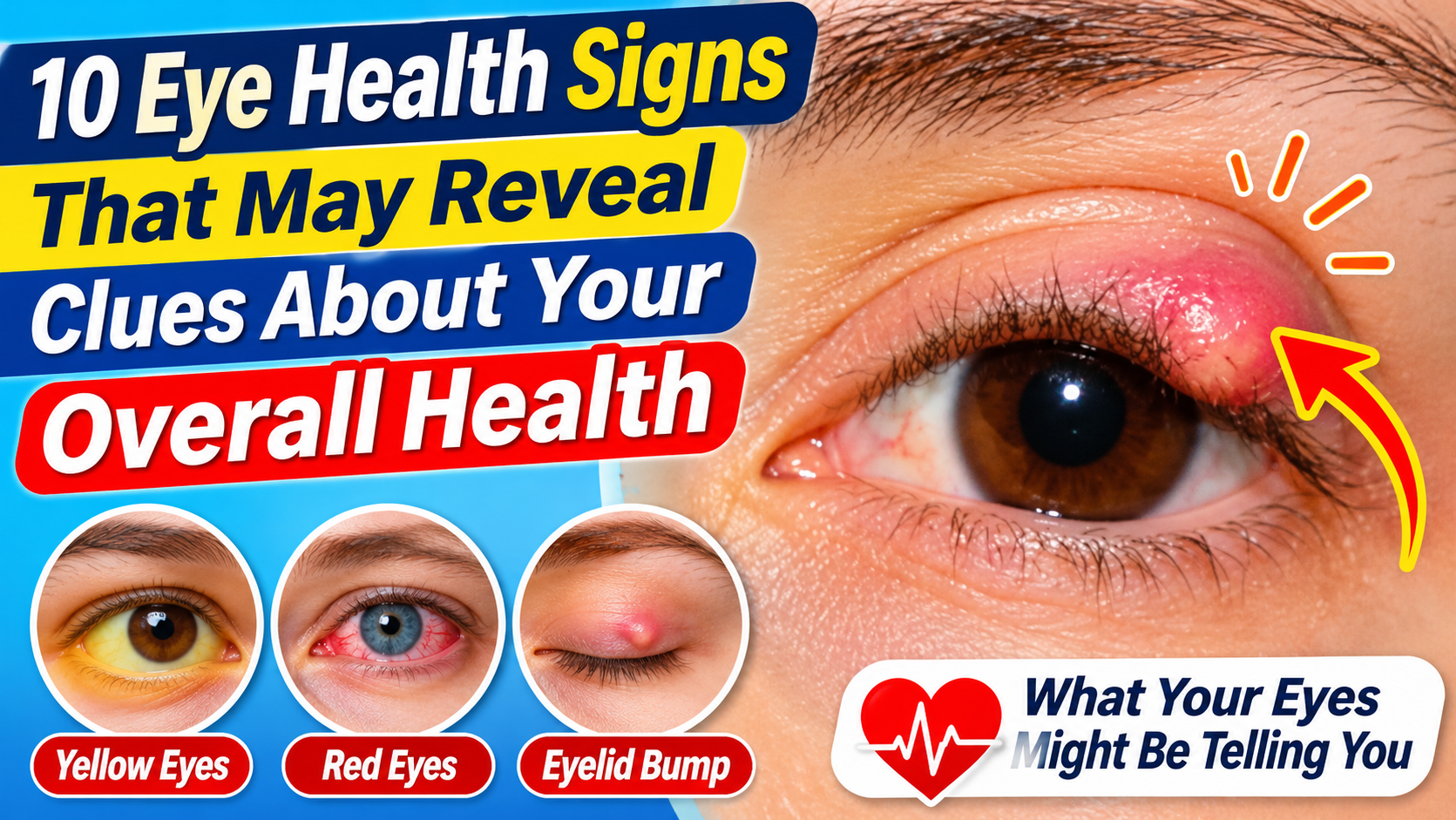
From unusual eyelid bumps and persistent redness to changes in eye color and vision, some symptoms may be associated with conditions that affect other parts of the body.
In fact, a comprehensive eye examination can sometimes help identify signs of health conditions such as diabetes, high blood pressure, thyroid disorders, and certain cardiovascular problems.
However, not every unusual eye symptom indicates an underlying medical condition. Some changes are temporary, relatively common, or related to everyday factors such as allergies, aging, fatigue, and irritation.
Understanding which changes deserve attention can help you make better decisions about your eye care.
Here are 10 important eye-related signs worth knowing about and what they may indicate.
1. Yellowing of the Whites of Your Eyes
One noticeable change that deserves attention is when the normally white part of the eye begins to appear yellow.
This condition is known as jaundice.
Jaundice occurs when bilirubin, a yellow substance produced during the normal breakdown of red blood cells, builds up in the body.
It can be associated with several conditions affecting the liver, gallbladder, or bile ducts.
Possible causes include:
- Liver inflammation.
- Certain liver diseases.
- Blockage of bile ducts.
- Problems involving the breakdown of red blood cells.
If the whites of your eyes become noticeably yellow, contact a healthcare professional promptly for an evaluation.
Yellowing of the eyes should not be ignored, particularly when accompanied by dark urine, abdominal discomfort, unusual tiredness, or changes in skin color.
2. Yellow Patches Around Your Eyelids
Have you ever noticed small, yellowish patches appearing around someone’s eyelids?
These patches may be a condition called xanthelasma.
Xanthelasma usually appears as soft, yellowish deposits beneath the skin, commonly near the inner corners of the upper or lower eyelids.
Although these patches are generally harmless themselves, they can sometimes be associated with elevated cholesterol levels.
Some people with xanthelasma have normal cholesterol levels, so their appearance alone cannot confirm a cholesterol problem.
A healthcare professional may recommend a cholesterol test and an assessment of other cardiovascular risk factors.
Maintaining healthy eating habits, regular physical activity, and routine health screenings can help support long-term cardiovascular health.
3. Small Bumps or Swelling on Your Eyelids
A small bump on the eyelid can appear suddenly and may cause tenderness, redness, or localized swelling.
One common cause is a stye, also known as a hordeolum.
A stye typically develops when an eyelid oil gland or eyelash follicle becomes infected. It may appear as a small, red, painful lump, sometimes with a yellowish center.
Another possibility is a chalazion, which develops when an oil gland becomes blocked.
Unlike a typical stye, a chalazion is often less painful and may feel like a firm lump beneath the eyelid.
Common symptoms include:
- A small bump near the eyelashes.
- Localized redness.
- Mild swelling.
- Tenderness when touching the eyelid.
- A feeling of irritation around the affected area.
What should you do?
A clean, warm compress placed gently over the closed eyelid may help relieve discomfort from a typical stye.
Avoid squeezing, puncturing, or attempting to remove the bump yourself.
If the swelling becomes severe, affects your vision, spreads around the eye, or does not improve, seek medical advice.
The eyelid bump shown in many close-up photographs may resemble a stye or another type of eyelid lump, but an image alone cannot establish the diagnosis.
Most ordinary eyelid bumps are local problems rather than signs of a serious disease elsewhere in the body.
4. Blurry or Distorted Vision
Changes in vision are among the most important symptoms to pay attention to.
Some people gradually notice that reading becomes more difficult, road signs appear blurry, or objects look distorted.
These changes can have many possible explanations.
Common causes include:
- Refractive errors.
- Dry eyes.
- Cataracts.
- Retinal conditions.
- Diabetes-related eye disease.
- Certain neurological conditions.
Diabetes is particularly important because elevated blood glucose levels can damage the small blood vessels in the retina.
This condition is known as diabetic retinopathy.
In its early stages, diabetic retinopathy may not cause noticeable symptoms. Regular comprehensive eye examinations are therefore important for people living with diabetes.
Sudden blurry vision or significant changes in eyesight require urgent medical evaluation.
5. Persistent Redness in Your Eyes
Occasional eye redness is common.
It can happen after spending too much time looking at a computer screen, exposure to smoke, allergies, or insufficient sleep.
However, persistent or severe redness may sometimes indicate an underlying eye problem.
Possible causes include:
- Allergic conjunctivitis.
- Dry eye disease.
- Eye infections.
- Eyelid inflammation.
- Other inflammatory eye conditions.
The symptoms accompanying redness are especially important.
For example, redness combined with severe pain, light sensitivity, discharge, or blurred vision deserves prompt medical attention.
Do not assume that every red eye is simply caused by tiredness.
An eye care professional can help determine the cause and recommend appropriate treatment.
6. A Gray or White Ring Around the Cornea
The cornea is the transparent front surface of the eye.
Some people develop a grayish or white ring around the outer edge of the cornea. This appearance is commonly known as arcus senilis.
It becomes increasingly common with age and is often a normal age-related finding in older adults.
However, a similar appearance in younger people may sometimes be associated with elevated cholesterol levels or other lipid disorders.
A healthcare professional may recommend a blood lipid test, particularly when the finding appears at a younger age or when other risk factors are present.
The important point is that the ring itself does not automatically mean someone has high cholesterol.
Blood testing is needed to evaluate cholesterol levels accurately.
7. Eyes That Appear to Bulge Forward
If someone’s eyes appear more prominent than usual, it may be worth discussing the change with a healthcare professional.
This appearance is sometimes called proptosis or exophthalmos.
One possible cause is thyroid eye disease, which is frequently associated with Graves’ disease.
The immune system can affect tissues and muscles surrounding the eyes, causing inflammation and changes in their appearance.
Other symptoms may include:
- A feeling of pressure around the eyes.
- Dryness or irritation.
- Eyelid retraction.
- Double vision.
- Light sensitivity.
Not every prominent-looking eye is caused by a thyroid condition. Some people naturally have more prominent eyes.
However, new or progressive changes should be medically evaluated.
8. Frequent Dryness and Irritation
Dry eyes are a common problem that can affect people of different ages.
The condition occurs when tears do not provide sufficient lubrication or evaporate too quickly.
People may experience:
- A burning sensation.
- Grittiness.
- Redness.
- Excessive watering.
- Temporary blurry vision.
- Discomfort when wearing contact lenses.
Several factors can contribute to dry eyes, including aging, medications, environmental conditions, and prolonged screen use.
Dry eyes can also occur alongside certain autoimmune conditions, including Sjögren’s disease and lupus.
However, having dry eyes does not mean you necessarily have an autoimmune disorder.
If symptoms are persistent, severe, or accompanied by other health concerns, discuss them with a healthcare professional.
9. Drooping Eyelids
A drooping upper eyelid is medically known as ptosis.
It can develop gradually as people age, but it can also occur because of problems involving the muscles or nerves responsible for lifting the eyelid.
Possible causes include:
- Age-related muscle changes.
- Previous eye surgery or injury.
- Nerve disorders.
- Certain muscular conditions.
- Neurological problems.
A sudden drooping eyelid deserves particular attention, especially when accompanied by double vision, severe headache, unequal pupils, weakness, or difficulty speaking.
These symptoms can sometimes indicate a serious neurological emergency.
If sudden eyelid drooping occurs with other neurological symptoms, seek emergency medical care immediately.
10. Flashes of Light, Floaters, or Dark Shadows
Have you ever noticed small spots moving across your vision or brief flashes of light?
Floaters are small shapes that appear to drift through your field of vision.
They can look like:
- Tiny dots.
- Thread-like lines.
- Transparent circles.
- Small shadows.
Many floaters are related to normal changes in the gel inside the eye as people get older.
However, a sudden increase in floaters, repeated flashes of light, or a dark curtain-like shadow across your vision may indicate a retinal tear or retinal detachment.
These conditions can threaten vision and require immediate examination.
Do not wait for these symptoms to disappear on their own.
Seek urgent eye care, particularly when the changes happen suddenly.
Why Regular Eye Examinations Matter
Many people only schedule an eye examination when their vision becomes blurry or they experience discomfort.
However, some eye conditions develop without obvious symptoms.
A comprehensive eye examination can help detect changes that may not be visible when looking in a mirror.
During an examination, an eye care professional may evaluate:
- Visual acuity.
- Eye pressure.
- The cornea and surrounding structures.
- The retina.
- The optic nerve.
- Blood vessels inside the eye.
In some cases, an examination may reveal findings that suggest an underlying health concern.
For example, certain retinal changes may be associated with diabetes or high blood pressure.
The American Academy of Ophthalmology recommends that adults have a baseline eye disease screening by age 40, with earlier or more frequent examinations for people who have symptoms or specific risk factors.
People with diabetes should also follow recommended diabetic eye examination schedules.
Simple Daily Habits That Support Healthy Eyes
Taking care of your eyes does not always require complicated routines.
A few everyday habits can support long-term eye health.
1. Take regular screen breaks.
Follow the 20-20-20 approach: every 20 minutes, look at something approximately 20 feet away for at least 20 seconds.
2. Wear appropriate sunglasses.
Choose sunglasses that provide 100% UVA and UVB protection when spending time outdoors.
3. Maintain a balanced diet.
Include vegetables, fruits, leafy greens, and other nutrient-rich foods as part of a balanced eating pattern.
4. Keep contact lenses clean.
Follow your eye care professional’s instructions for cleaning, disinfecting, and replacing contact lenses.
5. Avoid rubbing your eyes.
Rubbing can increase irritation and may introduce bacteria.
6. Get enough sleep.
Adequate rest supports general health and may help reduce eye discomfort associated with fatigue.
7. Schedule regular eye examinations.
Do not wait for obvious vision problems before discussing preventive eye care with a professional.
When Should You Seek Medical Attention?
Not every eye change is an emergency, but some symptoms should never be ignored.
Seek immediate medical attention if you experience:
- Sudden loss of vision.
- Sudden flashes and many new floaters.
- A dark curtain or shadow across your vision.
- Severe eye pain.
- Eye injury involving chemicals or foreign objects.
- Sudden double vision accompanied by neurological symptoms.
You should also arrange a medical assessment for persistent eyelid swelling, unexplained changes in eye color, or symptoms that do not improve.
Early evaluation can help identify problems and protect your vision.
Frequently Asked Questions
1. Can your eyes reveal signs of health problems?
Yes. Certain changes in the eyes may provide clues about conditions such as diabetes, high blood pressure, thyroid disease, and some cholesterol-related problems. However, an eye examination cannot diagnose every health condition.
2. What does a yellow color in the whites of your eyes mean?
Yellowing of the whites of the eyes can be a sign of jaundice, which may be associated with liver, gallbladder, or bile duct problems. It should be evaluated by a healthcare professional.
3. Are small bumps on the eyelids dangerous?
Most common eyelid bumps, such as styes and chalazia, are not serious. However, persistent, worsening, unusually large, or painful bumps should be examined by an eye care professional.
4. Can diabetes affect your eyesight?
Yes. Diabetes can damage blood vessels in the retina, potentially causing diabetic retinopathy and vision loss. Regular diabetic eye examinations are important, even when vision seems normal.
5. Does a yellow patch around the eye mean high cholesterol?
Not necessarily. Yellow eyelid patches may be xanthelasma, which can be associated with elevated cholesterol. A blood test is needed to determine your cholesterol levels.
6. Why do my eyes become dry so often?
Dry eyes can result from aging, screen use, environmental conditions, medications, or certain medical conditions. Persistent symptoms should be discussed with an eye care professional.
7. How often should adults have their eyes examined?
The appropriate schedule depends on age, medical history, symptoms, and risk factors. Adults should discuss a personalized examination schedule with an optometrist or ophthalmologist.
Final Thoughts
Your eyes do more than help you see the world. They can also provide healthcare professionals with valuable information about your overall health.
From yellowing of the whites of the eyes and unusual eyelid changes to blurry vision and persistent dryness, certain symptoms deserve attention.
The important thing is not to panic whenever you notice something unusual.
Many eye changes have common and manageable explanations. However, some symptoms may require prompt medical evaluation.
Pay attention to changes, maintain healthy daily habits, and make regular eye examinations part of your preventive healthcare routine.
Sometimes, taking care of your health starts with paying closer attention to your eyes.
Medical Disclaimer
This article is intended for general educational and informational purposes only. It does not provide medical advice, diagnosis, or treatment. Eye symptoms can have multiple causes, and the information presented does not mean that a particular symptom confirms a specific disease. Consult a qualified healthcare professional or eye care specialist for individual concerns. Seek emergency care for sudden vision loss, severe eye pain, or other serious symptoms.