 Applecu Everything Bank, Health, Tech, Business, Lifestyle
Sores on the Bottom of the Feet can be uncomfortable, concerning, and sometimes difficult to identify. Some foot problems begin as small areas of thickened skin, while others develop into open wounds that require professional medical attention. Understanding the possible causes can help people recognize changes early and make informed decisions about their foot health.
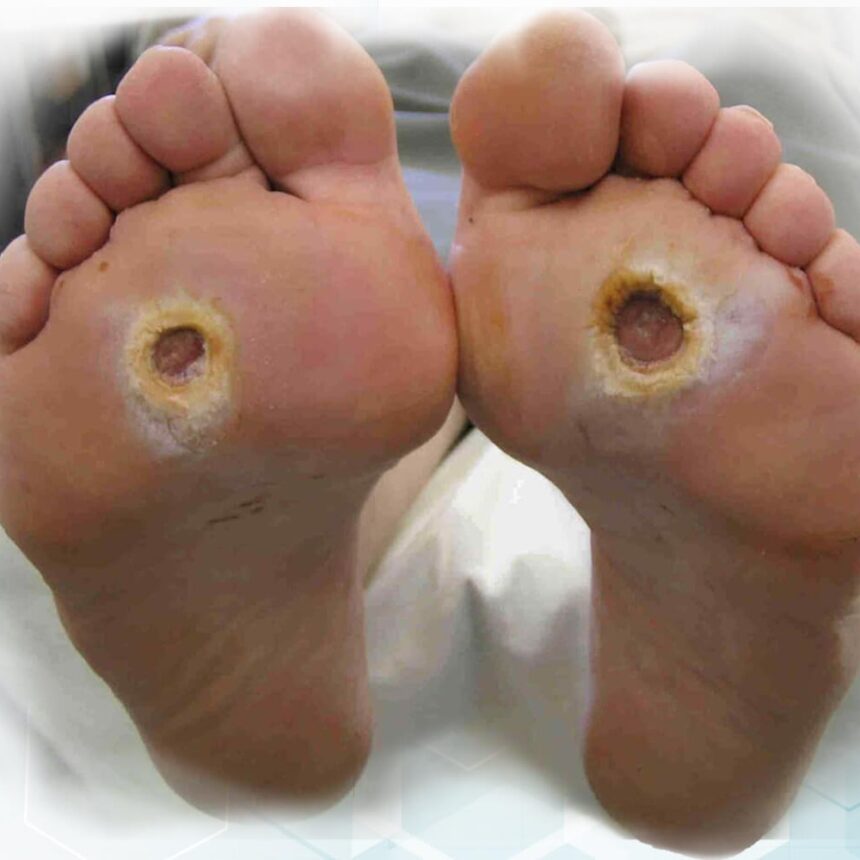
The soles of the feet experience considerable pressure throughout the day. Walking, standing, wearing poorly fitting shoes, and repetitive friction can all affect the skin. However, when a spot becomes unusually deep, painful, discolored, or begins to open, it should not automatically be treated as an ordinary callus.
This guide explores seven possible explanations for unusual spots and sores on the soles, important warning signs, and practical ways to protect your feet.
1. Pressure and Friction From Everyday Activities
One of the most common reasons for thickened skin on the soles is repeated pressure or friction.
When a particular area of the foot experiences constant rubbing, the skin gradually becomes thicker as a protective response. This commonly happens around the heels and the balls of the feet.
Common contributing factors include:
- Shoes that are too tight or too loose.
- Walking or standing for extended periods.
- Repetitive physical activities.
- Foot shape or structural differences.
- Uneven distribution of body weight.
Although thickened skin is often harmless, excessive pressure can sometimes contribute to painful cracks or open wounds.
Wearing properly fitted footwear and using suitable protective cushioning may help reduce repeated friction.
2. Corns and Calluses
Corns and calluses develop when the skin responds to repeated pressure or friction.
Calluses usually appear as broader areas of thickened skin, particularly on the soles. Corns tend to be smaller, more concentrated, and sometimes have a firm central core.
People may notice:
- Yellowish or whitish thickened skin.
- Rough or hardened areas.
- Discomfort when walking.
- Tenderness when pressure is applied.
- Changes in the normal texture of the skin.
Corns and calluses are generally not contagious. However, they can become uncomfortable when they grow or develop over areas that carry body weight.
A healthcare professional can determine whether a thickened area is a corn, callus, wart, or another condition.
People with diabetes or poor circulation should avoid attempting to remove thickened skin themselves.
3. Plantar Warts
Plantar warts are skin growths that develop on the bottom of the feet. They are caused by certain types of human papillomavirus (HPV).
These growths may appear as small, rough areas that interrupt the natural lines of the skin. Some contain tiny dark dots, which represent small blood vessels.
Possible signs include:
- A rough or thickened skin growth.
- A small round area on the sole.
- Tiny dark spots within the growth.
- Discomfort while walking or standing.
- One growth or several growths appearing together.
Plantar warts can sometimes resemble corns and calluses, making professional evaluation useful when the appearance is unclear.
Treatment depends on the location, size, symptoms, and individual circumstances.
4. Foot Ulcers and Open Wounds
A foot ulcer is an open sore that develops when the skin and underlying tissue become damaged.
These wounds can occur because of repeated pressure, injuries, poor circulation, or nerve damage. People with diabetes may have an increased risk because reduced sensation can make it harder to notice an injury.
Possible warning signs include:
- An open area that does not heal.
- A wound surrounded by thickened skin.
- Drainage or bleeding.
- Increasing redness or swelling.
- Unusual warmth around the affected area.
- Changes in skin color.
Foot ulcers should not be ignored. Some can become more serious if they are not evaluated and treated appropriately.
Anyone who notices an open wound on the sole should arrange a prompt medical assessment, particularly if they have diabetes, reduced sensation, or circulation problems.
5. Skin Infections
Certain bacterial or fungal infections can affect the feet and change the appearance of the skin.
Bacterial infections may develop when germs enter through damaged skin. Depending on the infection, symptoms can include redness, swelling, warmth, tenderness, and drainage.
Fungal infections more commonly cause itching, peeling, scaling, or cracking, particularly between the toes. However, irritated or damaged skin may create opportunities for additional problems.
Warning signs that deserve attention include:
- Redness that continues to spread.
- Increasing tenderness.
- Swelling or warmth.
- Pus or unusual drainage.
- An unpleasant smell coming from a wound.
A healthcare professional can determine whether an infection is present and recommend appropriate treatment.
6. Poor Circulation and Reduced Foot Sensation
Healthy circulation helps deliver oxygen and nutrients to the tissues. When blood flow is reduced, wounds may become slower to heal.
Reduced sensation can also create problems. A person may develop a blister, cut, or pressure injury without realizing it.
Some possible signs include:
- Feet that frequently feel unusually cold.
- Numbness or tingling.
- Skin color changes.
- Wounds that heal slowly.
- Repeated injuries in the same area.
These symptoms can have different causes and should be discussed with a healthcare professional.
People with diabetes, known circulation problems, or persistent numbness should pay particular attention to changes in their feet.
7. Pressure-Related Skin Damage
Repeated pressure on the same area can damage the skin and underlying tissue.
This may happen when someone spends long periods standing, wears unsuitable shoes, or has a foot condition that changes how weight is distributed.
Pressure-related damage can begin with thickened skin, irritation, or discoloration. In more serious cases, the skin may break down and form an open wound.
Reducing pressure on the affected area is an important part of protecting the skin.
A podiatrist or other qualified healthcare professional can assess footwear, walking patterns, and possible pressure points.
When Should You Be Concerned About a Foot Sore?
Not every unusual spot on the sole is dangerous. However, certain changes should never be ignored.
Arrange prompt medical evaluation if you notice:
- An open sore or wound.
- Bleeding or drainage.
- Increasing redness or swelling.
- Skin that feels unusually warm.
- New or worsening pain.
- A wound that becomes larger or deeper.
- A sore that does not begin to heal.
Seek urgent medical attention if a foot wound is accompanied by fever, spreading redness, significant swelling, pus, or rapidly worsening symptoms.
If you have diabetes, poor circulation, or reduced sensation, contact a healthcare professional promptly when you discover a new foot wound, even if it does not hurt.
How to Protect the Bottom of Your Feet
Daily foot care can help reduce irritation and identify potential problems before they become more serious.
Here are several practical habits:
1. Check your feet regularly.
Look at the soles, heels, toes, and spaces between your toes. A mirror can help you inspect areas that are difficult to see.
2. Wear comfortable shoes.
Choose footwear that fits properly and provides enough room for your toes. Avoid shoes that repeatedly rub against the same area.
3. Keep your feet clean and dry.
Wash your feet gently and dry them carefully, especially between the toes.
4. Avoid walking barefoot in places where your feet could be injured.
Protective footwear can help reduce the risk of cuts and other injuries.
5. Never cut or dig into a sore yourself.
Using sharp objects, blades, or aggressive scraping techniques can damage healthy tissue and increase the risk of infection.
6. Avoid inappropriate chemical treatments.
Do not apply strong corn or wart removal products to an open wound or uncertain skin lesion. People with diabetes or circulation problems should consult a healthcare professional before using these products.
7. Seek professional advice when something changes.
A persistent or unusual foot problem deserves proper evaluation rather than repeated attempts at home treatment.
What Can a Healthcare Professional Do?
The correct treatment depends on the actual cause of the skin problem.
During an examination, a healthcare professional may review the patient’s medical history, inspect the affected area, assess sensation and circulation, and look for signs of infection.
Depending on the findings, additional testing or referral to a podiatrist or dermatologist may be recommended.
Treatment may involve reducing pressure, protecting the affected area, managing an infection, or addressing an underlying circulation or nerve problem.
For some foot ulcers, specialized wound care is necessary to support healing and reduce complications.
The important point is that different foot conditions can look similar but require very different treatments.
Frequently Asked Questions
Are sores on the bottom of the feet always serious?
No. Some changes are caused by ordinary pressure, friction, corns, or calluses. However, an open wound, persistent sore, or changing skin lesion should be evaluated to identify the cause.
Can wearing the wrong shoes cause foot sores?
Yes. Poorly fitting footwear can create repeated pressure and friction. Over time, this may contribute to blisters, thickened skin, and sometimes open wounds.
Can diabetes make foot sores more dangerous?
Yes. Diabetes can contribute to nerve damage and circulation problems, making injuries harder to notice and wounds slower to heal. People with diabetes should seek prompt advice about new foot wounds.
Should I remove thickened skin around a sore?
Do not cut, scrape, or dig into an area that may be an open wound. Professional assessment is particularly important if the skin is damaged or you have diabetes or poor circulation.
When should I see a podiatrist?
Consider seeing a podiatrist when a foot problem is painful, keeps returning, affects walking, or does not improve. Seek prompt medical attention for open wounds or signs of infection.
Final Thoughts
Sores on the Bottom of the Feet can develop for several reasons, including repeated pressure, thickened skin, plantar warts, infections, and foot ulcers.
Although some conditions are relatively minor, an open wound or a sore that changes over time deserves attention. Recognizing warning signs, wearing appropriate footwear, checking your feet regularly, and seeking professional advice can help protect your long-term foot health.
Your feet support you every day. Giving them proper attention is a simple but important part of maintaining an active and healthy lifestyle.
Medical Disclaimer: This article is for general educational purposes only. It does not provide a medical diagnosis or replace advice from a qualified healthcare professional. The appearance of a foot lesion in a photograph cannot establish its cause. If you have an open wound, signs of infection, diabetes, or circulation problems, seek appropriate medical care.